
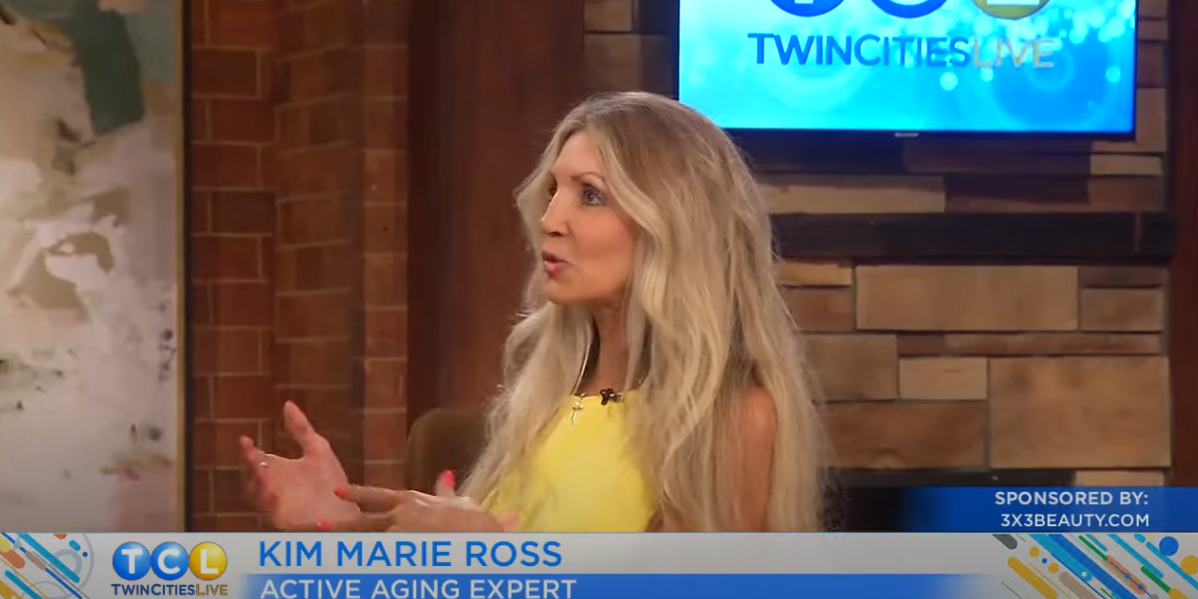
Understand the changes in our hair during menopause.
If you’re anything like me, you’ve noticed dramatic changes in your hair as you’ve entered your more mature years. For some women it’s thinning; for others it’s dryness, coarseness, new frizz, or a loss of volume and shine. While the symptoms vary, one thing is consistent: menopause plays a major role.
Understanding the why behind these changes can be incredibly helpful and even empowering. Once you know what’s causing the shift, the next step is learning how to support your hair and begin restoring what menopause has taken. While we can’t completely reverse every effect of menopause, we can nourish, repair, and improve our hair so it looks and feels its best again.
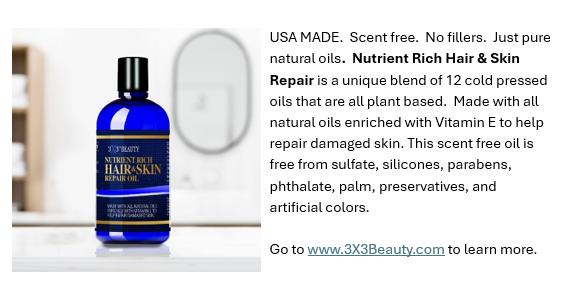
That’s where this nutrient-rich hair and skin treatment comes in—it helps strengthen, restore, and revive the health and beauty of your hair, giving you back some of what menopause tried to steal.
Keep reading for a deeper dive into what’s happening to your hair during menopause, plus helpful tips and solutions to revive its natural beauty.
? Why Hair Changes So Significantly During Menopause
- Drop in Estrogen and Progesterone
These hormones help keep hair in its growth phase longer. When they decline:
- Hair grows more slowly
- Strands become thinner and more fragile
- Relative Increase in Androgens
As estrogen drops, the balance changes, making androgens (like DHT) more dominant.
- This can shrink hair follicles on the scalp
- Leads to female-pattern thinning, especially at the crown and sides
- Reduced Blood Flow to Hair Follicles
Aging plus hormonal shifts reduce scalp circulation, which affects nourishment.
- Follicles produce weaker, finer hair
- Changes in Sebum (Oil) Production
Oil glands are influenced by hormones.
- Some women become drier, causing brittle hair
- Others get oiler, leading to scalp issues or limp hair
- Increased Sensitivity of Hair Follicles
Hormonal shifts can make the scalp more reactive:
- Itching, tingling, or inflammation may become more noticeable
? Common Hair & Scalp Results During and After Menopause
- Thinning Hair
This is the most common change.
- Widest part lines appear
- More hair in the brush
- Ponytail feels smaller
- More Hair Shedding
Not bald patches—just more strands coming out daily due to shorter growth cycles.
- Dry, Brittle, or Coarse Texture
Hair may:
- Break easily
- Lose shine
- Feel rough
- Hold moisture poorly
- Slower Growth
Even healthy hair simply doesn’t grow as fast as it used to.
- Receding or Widening Hairline
Usually subtle but noticeable over time.
- Changes in Curl Pattern
Some women find their curls loosen, tighten, or become inconsistent.
- Scalp Changes
- Dry, flaky scalp
- Increased itchiness
- More sensitivity
- Sometimes oilier roots with drier ends
- Gray Hair Changes
As pigment stops being produced:
- Grays are often coarse, wiry, or more difficult to style
? Is It Reversible?
You can’t fully restore pre-menopause hormone levels naturally, but you can significantly improve:
- Hair strength
- Thickness appearance
- Scalp health
- Breakage reduction
Treatments range from simple topical oils to supplements, collagen, gentle styling, scalp serums
Using multiple organic oils together can help menopausal hair because each oil brings a different strength, and menopausal hair often needs help in several areas at once—moisture, strength, breakage prevention, scalp nourishment, follicle support, and shine.
Here’s a clear explanation of how oils help, and why a blend of 12 organic oils can be especially powerful.
? How Oils Help Menopausal Hair (The Science Behind It)
- Provide Lipids That Hair Loses with Age
As estrogen drops, your scalp produces less natural oil (sebum).
Hair becomes:
- Drier
- Rougher
- More fragile
Plant oils replace these missing lipids and help seal moisture into the strand.
- Strengthen the Cuticle
Oils like coconut, avocado, castor, and jojoba can penetrate the hair shaft or coat it, helping:
- Reduce breakage
- Prevent split ends
- Smooth frizz
- Improve elasticity
Stronger cuticles = less shedding from breakage (which looks like hair loss).
- Reduce Inflammation on the Scalp
Menopause can cause:
- Scalp irritation
- Itchiness
- Tingling
- Sensitivity
- More dandruff
Calming oils (like aloe, neem, jojoba) soothe the scalp so follicles stay healthier.
- Improve Blood Flow to the Follicles
Castor oil, rosemary-infused oils, and moringa can gently increase circulation, which:
- Stimulates hair follicles
- Supports stronger, thicker new growth
It doesn’t “cure” menopause hair loss, but it optimizes what each follicle can still produce.
- Add Antioxidants
Estrogen normally protects hair.
When estrogen drops, hair is more vulnerable to:
- UV damage
- Frizz
- Breakage
- Dullness
Oils like rosehip, grapeseed, avocado, moringa, and vitamin E add antioxidants that protect hair and scalp from aging-related stress.
- Boost Shine and Softness
Dry menopausal hair often looks dull because the cuticle is rougher.
High-emollient oils smooth the surface and make hair look:
- Shinier
- Softer
- Less wiry
Great for managing gray hairs, which tend to be coarse.
? Why a Blend of 12 Organic Oils Works So Well
Each oil does something different. Here’s what a 12-oil blend achieves as a team:
✔ Deep moisture + sealing
Coconut, shea, olive, apricot
✔ Strength + reduced breakage
Avocado, castor, jojoba
✔ Scalp nourishment + calming
Aloe, neem, jojoba
✔ Improved shine + cuticle smoothing
Grapeseed, argan (if included), vitamin E
✔ Follicle support
Moringa, castor
A single oil can only do 1 or 2 of these things.
A multi-oil blend covers all the needs menopausal hair has.
? What Results You Can Expect with Regular Use (Big Picture)
In 1–2 uses:
- Softer, smoother hair
- More shine
- Less frizz
- Better scalp comfort
In 4–8 weeks:
- Less breakage
- Fuller ponytail
- Healthier ends
- Scalp looks less dry or itchy
In 3–4 months:
- New growth coming in healthier
- Improved volume at the roots
- Stronger strands overall
(Oils support follicles, but don’t fix hormonal thinning — they just make follicles function at their best.)